Muscle Aches
Muscle pain can occur suddenly or be chronic. In most cases, it is caused by harmless tension, strains or injuries that heal on their own. Poor posture and overuse are often the cause of chronic muscle tension. Sometimes, however, muscle pain is also an accompanying symptom of severe diseases of the muscles themselves, the nervous system, the skeleton or other organs. Muscle pain often arises as a result of incorrect strain or injury, as well as overexertion. However, they can also be related to infectious diseases such as influenza. Only rarely are other diseases (such as those of the immune system, skeleton or nervous system) behind it. Some medications can also trigger muscle pain.
Symptoms
What To Expect
Muscle pain (myalgias) can feel stabbing, cramping or pulling, and sometimes burning or pressing. They can basically affect any of the 650 muscles of the body. However, muscle pain is most common in the neck, shoulders or back. The discomfort can spread or remain limited to one area, appear suddenly and violently (acute) and disappear again, or develop chronically.
Made Worse By
If you injure yourself during sports or any other physical activity, you should immediately comply with the following measures: If you injure the muscle, you should stop the activity immediately! Injured muscles need time to heal. Therefore, you should take it easy for a while. Otherwise, the muscle tissue may scar. Sometimes there may even be permanent connective tissue remodeling in the muscle tissue, making the muscle less mobile in the long term. Cool the affected muscle with an ice pack, for example, or wrap crushed ice cubes in a towel and place this ice pack on the affected area for around 15 minutes. If you suspect a muscle fiber or muscle tear, you should not only cool the affected area immediately, but also keep it elevated. This counteracts swelling of the injured tissue. Muscle pain is usually caused by harmless muscle injuries. With sufficient rest and sparing, the affected muscles can heal. Regular breaks in everyday work and relaxation training (as mentioned above) help to avoid or at least reduce stress.
How Common
Simple muscular pain is one of the most common causes of consultation in general practice, with an incidence of about 16%.
Diagnosed By
In most cases, muscle pain (such as sore muscles, pulled muscles or cramps) is harmless and can be treated on its own. They usually heal without leaving any permanent damage. Torn muscle fibers also disappear on their own if the muscles are sufficiently rested. If this is not done, however, there is a risk of scarring and permanent functional limitations. The doctor will first discuss your medical history with you (anamnesis). Information from this and the results of various examinations help to determine the cause of the muscle pain. The doctor can then suggest a suitable treatment.
Products that may help Muscle Aches




Herbs that may help Muscle Aches


Remedies that may help with Muscle Aches
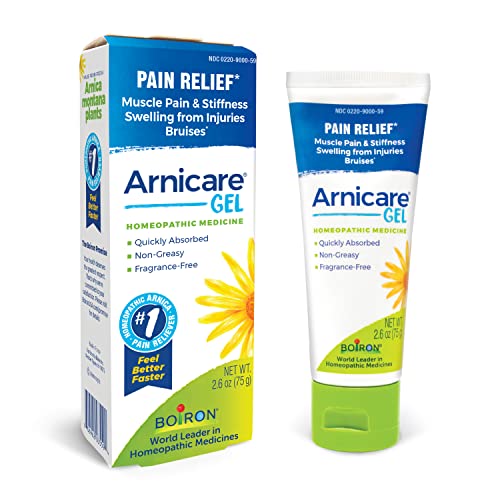
Arnica Ointment for Muscle Aches
The ingredients of the arnica flower have an analgesic and anti-inflammatory effect. Therefore, arnica pain ointments are used for muscle aches.
- Apply cream or ointment.
Caution Do not use arnica on broken skin.
Muscle Relaxing Bath
Rosemary and thyme have a relaxing effect at the same time and can therefore be used for muscle tension. They can effectively relax the muscles .
- Make an infusion with 25 g of each herb.
- Mix with 750 ml water.
- Brew for 10 minutes.
- Strain into a bath.
- Soak for 20 minutes.