Inflamed skin rashes
The human skin consists of around two billion skin cells that protect the body from pathogens and sunlight, but also from overheating, excessive heat loss and dehydration. The skin usually reacts immediately and visibly to external and internal influences. Every day our skin is exposed to many factors that can irritate it and lead to skin inflammation. Reddened areas, often associated with swelling, scales and itching are the typical signs of skin inflammation.
Symptoms
What To Expect
Depending on the trigger of the skin inflammation, the signs can be different. Mostly, symptoms such as redness, itching, pus formation and pustules appear. If the inflammation is already more severe, the affected skin area also swells, warms up and hurts very much when touched. In the worst case, cysts and ulcers can form from the inflammation. In such a case, depending on the cause, surgical intervention may also be necessary, as in the case of ulcerative dermatitis. In addition to these external manifestations, the classic symptoms of the disease can also occur. In some cases, there is even fever and chills. But joint pain and restricted mobility can also be a possible consequence of inflamed skin rashes.
Made Worse By
Nobody likes to hear this, but a healthy diet can work wonders even for inflamed skin rashes. So it is very important to avoid fast food, alcohol and cigarettes. In order not to aggravate and spread the inflammation, one should definitely avoid touching the affected area, precisely because our hands are a bacteria magnet. In no case should any drugstore products be used, such as creams, which could trigger a major allergic reaction.
Diagnosed By
In the case of an inflamed skin rash, the doctor takes a close look at the affected area and asks about the symptoms that occur and any allergies that may be present. The appearance of the infection alone is often not sufficient for the attending physician to be able to make a clear diagnosis. This is due to the fact that various skin diseases also have similar symptoms. Therefore, the dermatologist usually makes a swab of the respective skin region and examines it in the laboratory for pathogens. If an allergy has possibly led to the skin inflammation, then the dermatologist can perform an allergy test to test the allergy-triggering substances.
Caution If there is any sign of an infection seek immediate professional advice.
Products that may help Inflamed skin rashes

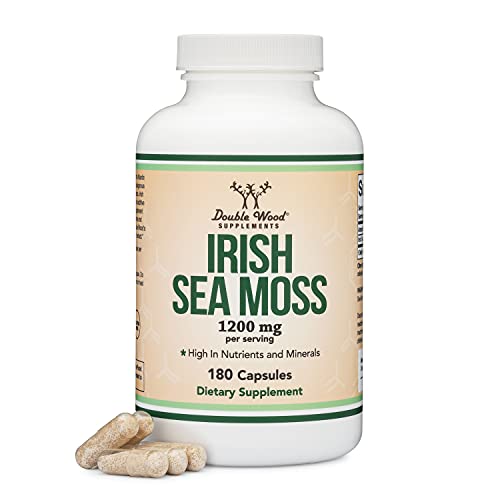


Herbs that may help Inflamed skin rashes


Remedies that may help with Inflamed skin rashes
Get Rid Of Inflamed Skin Rash
The listed herbs are above all a remedy to treat different skin conditions. The herbs are anti-inflammatory and heal the skin.
- Make a marigold or comfrey ointment, lotion or cream.
- For the lotion, you simply make an infusion out of the herb.
- Strain it, let it cool and then apply to the effected area.
- Repeat applying to troubled area 2-4 times a day.
Caution Do not apply comfrey to broken skin.