Conjunctivitis
In conjunctivitis, the conjunctiva of the eye becomes inflamed. An inflammation of the conjunctiva is a mucous membrane that covers and protects the visible part of the white eyeball and the inside of the eyelids. When the conjunctiva becomes inflamed, the eye is red. Conjunctivitis is often caused by pathogens such as viruses or bacteria (infectious conjunctivitis). However, an allergy is also frequently the cause. Experts then speak of allergic conjunctivitis. Often both eyes are affected, as the infection easily spreads from one eye to the other. To avoid this, it is important not to touch a diseased eye if possible. If it does happen, you should wash your hands quickly. It also makes sense not to share towels and washcloths with others.
Symptoms
What To Expect
In bacterial conjunctivitis, the eyes are red and watery. The conjunctiva secretes a whitish-yellow fluid that makes the eyelids stick together. This is particularly noticeable in the morning after getting up. In addition, the conjunctiva may become sore and hurt when the eyeball moves. The eyes may burn and sometimes itch. In viral conjunctivitis, the symptoms are similar, but the eyes are more likely to discharge a watery fluid. In allergic conjunctivitis, both eyes are always red. Here, too, the eyes water. A typical indication of an allergy is itching. The conjunctivitis is then often accompanied by other allergic complaints such as rhinitis. Deterioration of vision, increased sensitivity to light, the feeling of having a foreign body in the eye and severe headaches with nausea are rare, but may indicate more serious problems. It is then important to seek medical advice.
Made Worse By
An inflamed conjunctiva is often itchy and thus tempts you to rub your eye. In the process, germs get onto the hands and possibly into the other (still healthy) eye if one unconsciously reaches for it. Infected hands can also transfer pathogens to door handles or cutlery, for example - a source of infection for other people. Therefore, try to resist the urge to rub. Frequent, proper hand washing and hand disinfection reduce the number of germs on your fingers. Use your own towel or, even better, disposable towels that you dispose of directly after use. This will protect other household members from contracting conjunctivitis. Even if it seems unkind - refrain from shaking hands if you have conjunctivitis. Even if you avoid it, you often unconsciously touch your eyes, so that germs can quickly be transmitted via your hands. If you use eye drops (any) - do not share them with other people.
How Common
The overall incidence of bacterial conjunctivitis in the United States has been estimated at 135 cases per 10,000 persons.
Diagnosed By
If you suspect conjunctivitis, you should always see an ophthalmologist! He will first take your medical history in a personal consultation (anamnesis). For example, he will ask you what exactly your symptoms are, how long they have existed and whether you know the trigger. Information on any underlying diseases such as diabetes or allergies is also helpful for the doctor. Often, he can use this information to narrow down the possible causes of red eyes. This is followed by eye examinations: By means of slit lamp examination, the physician can examine the front area of the eye for signs of conjunctivitis (possibly with involvement of the cornea = keratoconjunctivitis). Careful folding of the eyelids can reveal inflammation - this leaves typical marks on the inside of the eyelids. Small foreign bodies that may be present in the eye can also often be discovered in this way. This examination is rarely really unpleasant for patients. Depending on the suspected cause, further examinations may be necessary for clarification. For example, if wetting disorders are suspected, the Schirmer test can help. The tear secretion is determined with a filter paper strip in the conjunctival sac. A swab from the conjunctiva can show whether and - if so - which pathogens are the cause of an infectious conjunctivitis. If there are signs of allergic conjunctivitis, an allergy test can determine the unknown trigger, if necessary.
Caution Seek immediate professional advice if there's no improvement in 3-4 days.
Products that may help Conjunctivitis




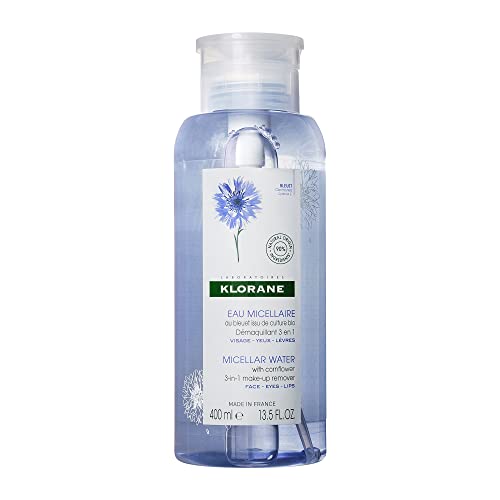


Herbs that may help Conjunctivitis


Remedies that may help with Conjunctivitis
Eye bath for Conjunctivitis
An eye bath made of cornflower tea and eyebright, often relieves pain and inflammation. The herbs can reduce swelling and itching of the eye.
- Make an infusion with either herb and strain.
- When warm, put in an eye bath and bathe eyes well.
- Repeat no more than twice a day.