Tonsillitis
Tonsillitis (tonsillitis, angina tonsillaris) is an inflammation of the palatine tonsils. This usually manifests itself as sore throat and difficulty in swallowing. Tonsilitis can often be treated with medication. Only if the tonsils become inflamed very frequently they will be removed.
Symptoms
What To Expect
Typical symptoms of tonsillitis are sore throat and difficulty swallowing. They usually develop within a few hours. The palatal tonsils on both sides of the uvula are clearly reddened, swollen and may be whitish or yellowish in color. The throat wall is also reddened, and the lymph nodes in the angle of the jaw are often palpably enlarged. This is accompanied by unpleasant bad breath (foetor ex ore) as a further typical sign of tonsillitis. Often the patients feel weak and dull. In many cases this is accompanied by (high) fever. However, tonsillitis without fever is also possible.
Made Worse By
In case of tonsillitis, dehydration should be avoided. It is important to drink plenty of water. Cold drinks and ice often have a pain-relieving effect, but at the same time reduce the blood circulation. For the healing process it is therefore better to drink warm drinks. Smoking should also be avoided. As a precaution, all measures (balanced diet, sufficient sleep, little stress and regular exercise) that generally strengthen the immune system are suitable. But unfortunately, you cannot really prevent acute tonsillitis.
How Common
Acute tonsillitis is one of the most common infectious diseases. The diagnosis of tonsillitis is one of the 20 most common reasons for a visit to the doctor. Tonsillitis is particularly common in children. To avoid complications, children with angina should be examined by a doctor.
Diagnosed By
The treatment of tonsillitis depends on its cause, severity and whether it has occurred more frequently. Home remedies often help against slight sore throat due to tonsillitis. Conventional medicine doctors usually prescribe painkillers. They are usually also effective against any fever that may occur. Antibiotics are also used for bacterial tonsillitis. In the case of chronic or frequently recurring tonsillitis, surgery may be necessary.
Caution Seek professional advice if there is no improvement after 2 days.
Products that may help Tonsillitis

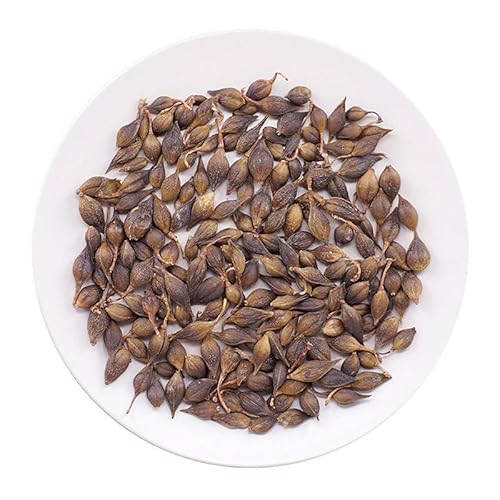


Herbs that may help Tonsillitis


Remedies that may help with Tonsillitis
Tea Mix for Tonsillitis
While sage and echinacea are strong antiseptics, all the other herbs help relieve symptoms of tonsillitis and help for a speedy recovery.
- Dilute 1 tsp of equal parts of all tinctures in 5 tsp of warm water.
- Use it as a gargle.
- Swallow the mixture (except if pregnant).
Lemon Decoction for Sore Throat
When consumed regularly, the decoction strengthens your immune system. Lemon has numerous antibacterial and anti-inflammatory ingredients.
- Make a decoction of tamarind fruit or 20 ml of lemon juice either neat, or diluted in warm water.
- Use the decoction as a gargle.
Echinacea Treatment for Tonsillitis
Echinacea is a herbal preparation that many people use as a natural remedy for colds. This herb can help treat tonsillitis.
- Take tablets or capsules, or up to 1/2 tsp of tincture with water.
- Take up to twice a day.
- Alternatively, make a decoction with 5 g of root to 750 ml of water and then drink 300-600 ml a day.