Nosebleeds
A nosebleed (epistaxis) is a sudden discharge of blood from one or both nostrils. However, this is usually harmless. However, frequent nosebleeds can also indicate a (serious) disease.
Symptoms
What To Expect
Nosebleeds occur when the fine vessels of the strongly perfused nasal mucosa are injured. Venous vessels are usually affected. This can be recognized by the fact that the escaping blood is dark red. In arterial injuries, the bleeding tends to be bright red and splattery. Since several blood vessels converge in the front part of the nose (mediz. Locus Kiesselbachi), most bleeding also occurs there. These are usually harmless. Dangerous nosebleeds more often originate in the rear part of the nose. This is due to the fact that in the posterior nasal sections the supplying vessels are not yet as finely branched as further forward, so that a leak is simply larger. With this type of nosebleed, the ear, nose and throat specialist often has to intervene to stop the bleeding. A distinction must also be made in the case of nosebleeds as to whether the cause is local, i.e. located in the nose, or whether another disease is behind it. Often the former is the case.
Made Worse By
Even a sneeze or vigorous nose blowing can be enough to cause the tiny veins in the nose to burst. The probability of nosebleeds is also higher if the nasal mucosa is irritated, for example by overheated or air-conditioned room air, allergies or decongestant nasal sprays. A blow or fall on the nose can also trigger nosebleeds. The same applies if small children stick a foreign object up their nose, such as a pea or a small Lego brick: if they injure the nasal mucosa in the process, blood will escape. The same can happen when picking the nose.
Diagnosed By
Often, the otolaryngologist does examination and treatment in parallel. First, he will ask the patient or his companion whether there is an obvious reason for the nosebleed and whether it occurs more frequently. Then he will try to find the cause by means of a nasal endoscopy (medical rhinoscopy). The patient may be given a local anesthetic for this purpose.
Caution If nosebleed continues for more than an hour or is very heavy, seek immediate professional advice.
Products that may help Nosebleeds


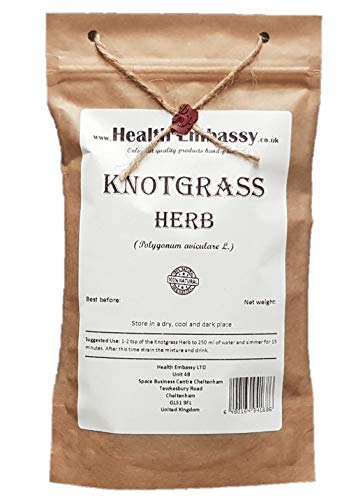


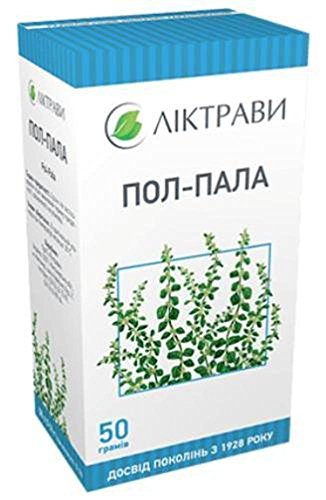

Herbs that may help Nosebleeds


Remedies that may help with Nosebleeds
Eyebright-Nettle Infusion for Nosebleeds
Nettle has homeostatic, blood purifying effect.
- Make an infusion using 25 g of each herb.
- Add 750 ml water.
- Drink up to 600 ml a day.
American Cranesbill for Nosebleeds
American cranesbill is an effective stopper for heavy bleeding.
- Pinch the nostrils.
- Tilt back the head.
- Sniff 1/2 tsp of the powdered herb.