Migraine
Migraine sufferers suffer from mostly unilateral, often very severe headache attacks. This is often accompanied by nausea, sensitivity to light and other neurological symptoms. The causes of migraine are not yet clearly understood. Among other things, a neurotransmitter disorder in the brain is suspected, combined with reduced blood flow.
Symptoms
What To Expect
People who suffer from migraines experience recurring headaches at irregular intervals. They are often accompanied by various other symptoms such as nausea, vomiting or visual disturbances. Usually, the pain affects only one side of the head. It is described by sufferers as pulsating, pounding or drilling. It intensifies during physical exertion. A severe migraine can severely restrict the sufferer's everyday life. The duration of a single attack is between 4 and 72 hours. The attacks occur at different intervals. Duration and intensity can vary from time to time. The most severe form of the disease is the so-called status migränosus. Doctors speak of this when an attack lasts longer than 72 hours. This is enormously stressful for those affected and must be treated by a doctor.
Made Worse By
(Too much) histamine and the flavor enhancer glutamate in food can trigger a migraine attack in some people. In self-observation, you can determine whether you are sensitive to these two substances in food. Foods such as cheese, alcohol especially red wine and sparkling wine, raw sausages e.g. salami or bacon, sauerkraut, ready meals, chips etc. contain histamine and glutamine. You should avoid these. In addition, stress can also lead to a migraine attack. Although stress cannot always be avoided, it should be reduced as much as possible.
How Common
Ten to 15 percent of adults worldwide suffer from migraine. About 6 to 8% of all men and 12 to 14% of all women are affected. In women, the attacks are usually longer and more intense.
Diagnosed By
When you suspect that you are suffering from migraine, the first person to contact is your family doctor. He may refer you to a neurologist or a physician who specializes in headaches.
Caution For migraine or recurrent headaches, consult a professional practitioner to diagnose and treat the underlying cause.
Products that may help Migraine




Herbs that may help Migraine


Remedies that may help with Migraine
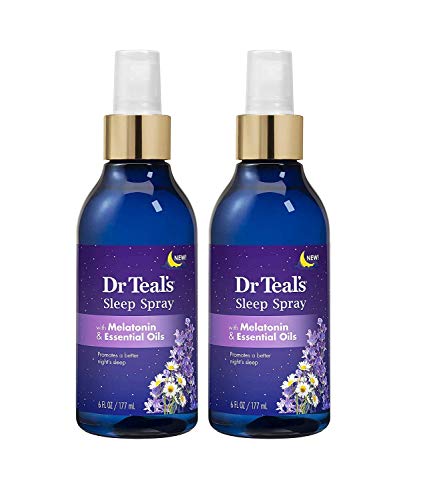
Chamomile-Lavender Sleep-Aid
Chamomile tea makes you sleepy and can be a healthy sleep aid. Supplements with chamomile or a lavender aromatherapy can help you fall asleep faster.
- Make an infusion in a covered container using 1-2 heaped tsp per 150 ml of water.
- Take prior to sleeping
- Alternatively, take 1 tsp of tincture with water up to 3 times a night.
Feverfew Tincture for Migraine
Feverfew acts early in migraine even before the pain begins. It inhibits the dilation of blood vessels and prevents the inflammatory processes.
- Take tablets or 10 drops of tincture with water when seeing signs of an impending attack.
- Alternatively, place a fresh leaf between slices of bread and eat as a sandwich.
Caution Do not give to children under 12. Do not take in pregnancy.
Miracle Migraine Curer
In folk medicine, skullcap is said to be a very effective remedy for disorders of the central nervous system. It helps with headaches and migraines.
- Using 1 heaped tsp of herb.
- Mix with 150 ml of water.
- Take up to 600 ml each day.
Rosemary Tea for Migraine
For acute headaches, rosemary oil can be massaged into the temples or used to promote circulation. Also a tea has a pain-relieving effect.
- Take 1 level tsp of herb.
- Mix with 150 ml of water.
- Drink up to 600 ml a day.