Adominal Pain
Everyone has probably had abdominal pain at one time or another. It can occur in the form of intestinal cramps, pinching abdominal pain left or right, sometimes in combination with nausea, vomiting and indigestion. Usually the pain begins after a heavy meal and is often not really a cause for concern. But abdominal pain can also be dangerous and must be treated immediately.
Symptoms
What To Expect
Pain originating from organs of the abdominal area (stomach, intestines, gall bladder, urinary tract ) is to be expected. Above a certain level, abdominal pain often occurs together with skin pallor, sweating and a drop in blood pressure, up to and including collapse. In most cases, abdominal pain is accompanied by other signs of illness such as flatulence, diarrhoea or nausea.
Made Worse By
Abdominal pain can be worsened by many different factors. For example, stress and anxiety can cause us real abdominal pain or have an effect on the intestines. Some medicines can cause abdominal pain as a side effect. It is possible that bad food can also make stomach aches much worse. Those who cannot tolerate milk or fruit sugar or have any food allergies often react with abdominal cramps to the particular food.
Diagnosed By
Abdominal pain is a very common symptom that can have many causes. It is important to estimate when you should see a doctor. Since abdominal pain can have a variety of causes, a detailed examination is necessary, especially in the case of complaints that last longer than 3-4 weeks or are particularly severe, so that the doctor can determine the underlying disease. In some cases, several months may pass before a clear diagnosis is made.
Caution Seek professional advice if stomach ache is severe or recurrent. Seek immediate professional advice for: Blood in stool, severe pain, vomiting blood and difficulty in swallowing.
Products that may help Adominal Pain


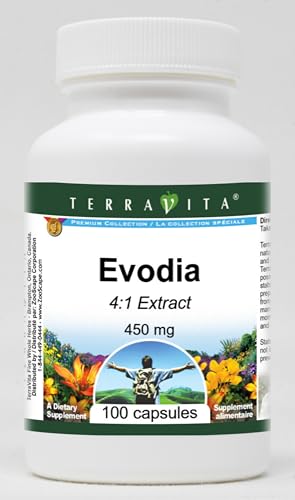


Herbs that may help Adominal Pain


Remedies that may help with Adominal Pain
Anise Infusion for Stomach Pain
The beneficial effect of anise is appreciated in digestive complaints such as stomach pain. The plant has a spasmolytic effect.
- Mix 1 part of a relaxing herb to 1 part of a carminative herb.
- Make an infusion.
- Drink up to 750 ml a day.
Caution All spices of mint are unsuitable for children under 5.
Tummy Tea
Use for bloating or stomach discomfort
- Boil 2 cups water
- Add 2 tsp dried chamomile flower buds
- Let steep 20 min. Strain
- Add 1 to 2 drops oregano oil
- Add 1 tsp honey
- Drink up to 3 times a day